
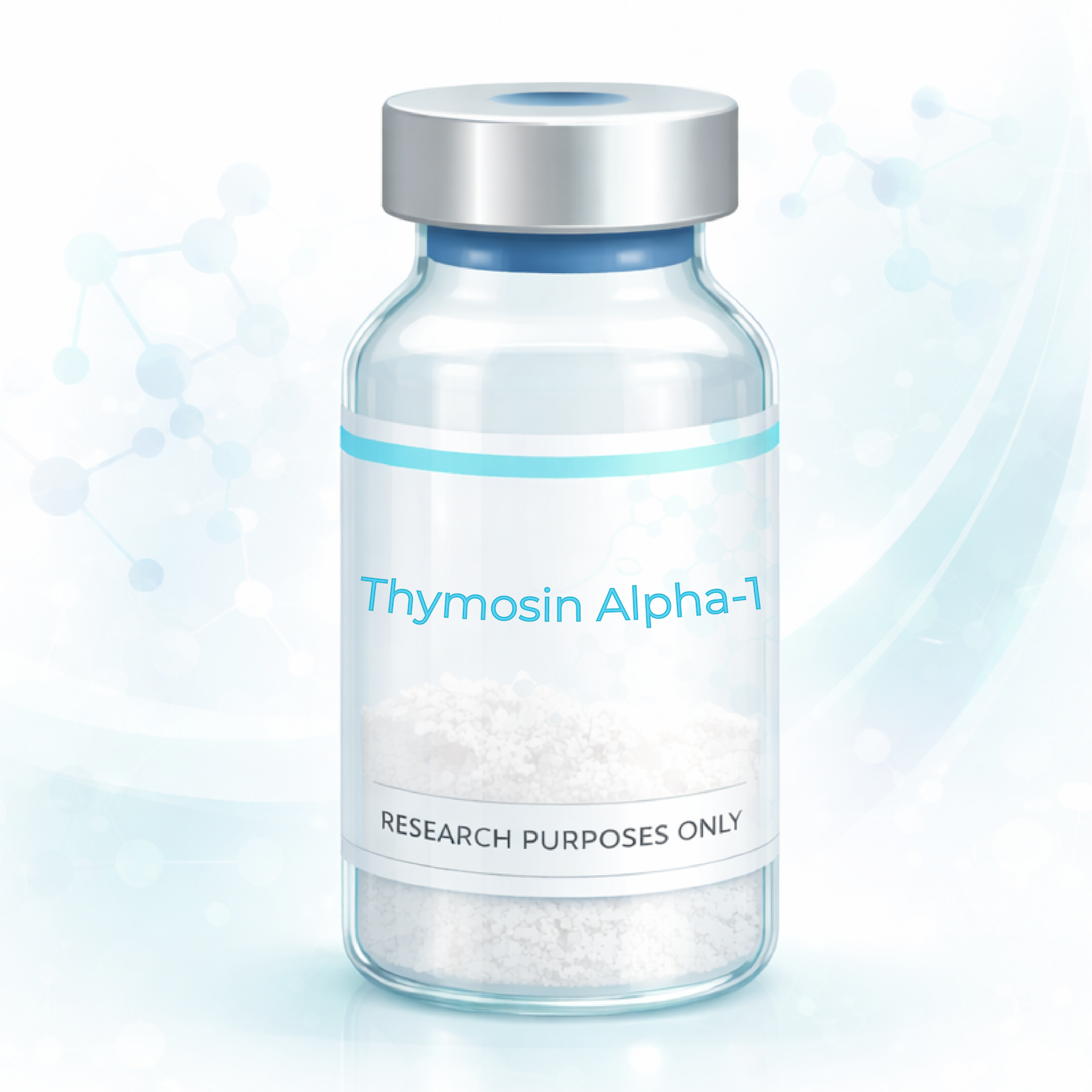
Description
Thymosin Alpha-1 (TA-1)
Chemical Classification: Immunomodulatory Polypeptide
Research Overview
Thymosin Alpha-1 (TA-1) is a synthetic 28-amino acid peptide that is highly conserved and naturally occurring in the thymus gland. In molecular biology, it is classified as a potent biological response modifier. TA-1 is a primary subject in studies exploring the enhancement of the innate immune response and the modulation of adaptive immunity. It is frequently researched for its ability to stimulate T-cell maturation and restore immune homeostasis in compromised biological environments.
Common Research Applications
This immunomodulatory peptide is frequently utilized in laboratory models to investigate the following experimental objectives:
- T-Cell Differentiation: Research focusing on the maturation of T-cells from stem cells and the proliferation of helper (Th1) and cytotoxic T-cells.
- Cytokine Profile Modulation: Investigations into the peptide’s ability to increase the production of Interferon-gamma (IFN-), Interleukin-2 (IL-2), and other signaling proteins involved in the antiviral response.
- MHC Class I Expression: Studies regarding the upregulation of Major Histocompatibility Complex (MHC) Class I and TAP molecules, which are critical for the recognition of infected cells by the immune system.
- Antitumor Immune Signaling: Research exploring the synergistic effects of TA-1 when studied alongside oncological reagents to observe changes in tumor-infiltrating lymphocytes.
- Dendritic Cell Maturation: Exploration of the peptide’s influence on the functional maturation of antigen-presenting cells, bridging the gap between innate and adaptive immunity.
Laboratory Handling & Storage
- Appearance: Lyophilized white powder.
- Solubility: Highly water-soluble; easily reconstituted in sterile bacteriostatic water or phosphate-buffered saline (PBS).
- Stability: Highly stable in its lyophilized state. Powder should be stored at -20°C for long-term preservation.